


As an Amazon Associate I earn from qualifying purchases. This post contains affiliate links.
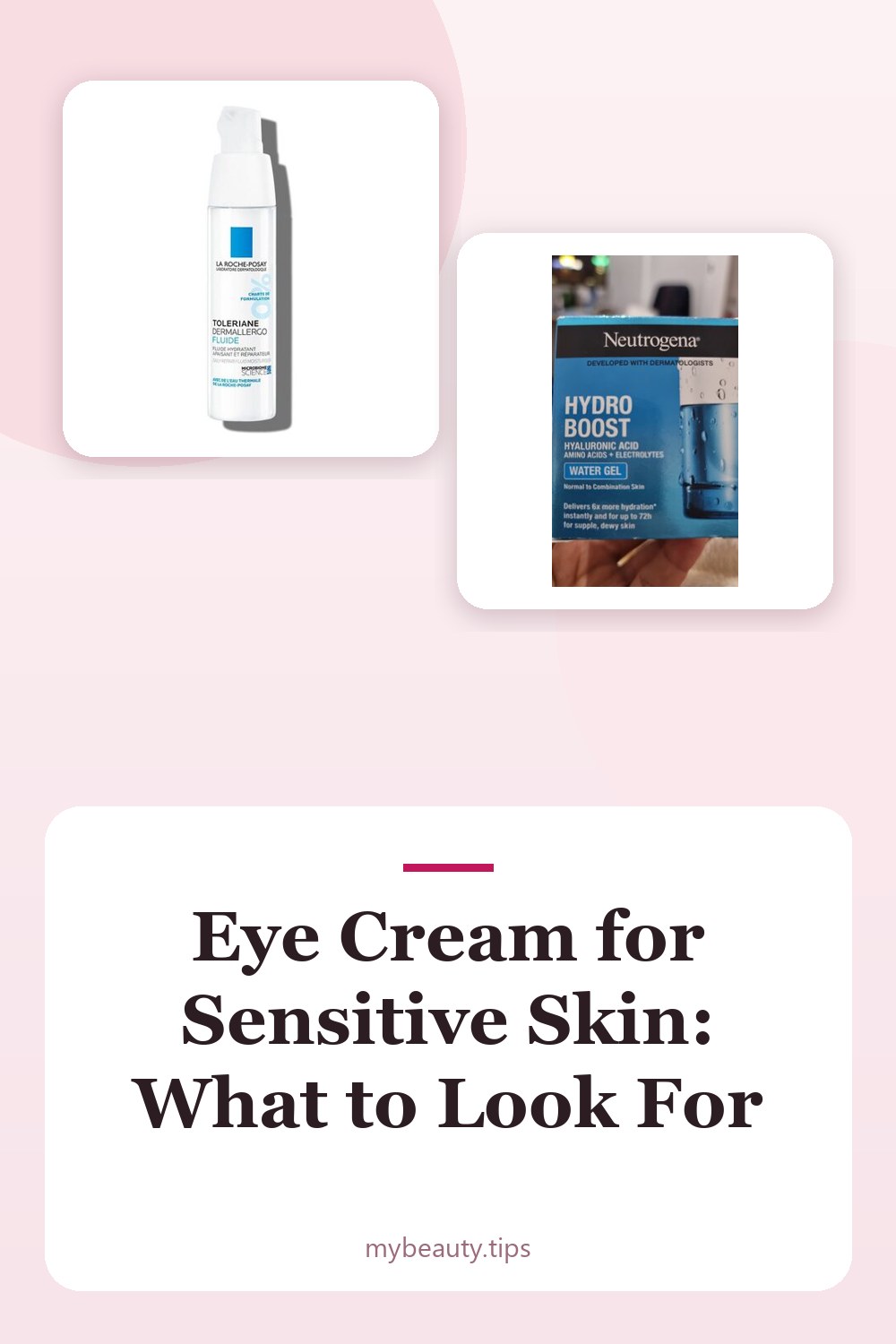
The best eye cream for sensitive skin is a fragrance-free, simple formula built around hydrating and barrier-supporting ingredients like glycerin, ceramides, squalane and panthenol, with strong actives either left out or kept gentle. The skin around your eyes is thinner and more delicate than the rest of your face, so if your skin is reactive, “less is more” really applies here. A cheap eye cream with a short, soothing ingredient list can be a better choice than an expensive one packed with fragrance and actives.
Let’s go through what to look for, what to skip and how to introduce an eye cream without upsetting your skin.
Our Top Picks: Eye Creams for Sensitive Skin
These options keep things simple and gentle. As with any new product near your eyes, patch test first.
Best overall: CeraVe Eye Repair Cream
A fragrance-free eye cream with ceramides, hyaluronic acid and niacinamide. Light enough for daytime and gentle on reactive skin.
CeraVe Eye Repair Cream
Best for very reactive skin: La Roche-Posay Toleriane Dermallergo Eye Cream
Designed for sensitive eyes with a short ingredient list. A good choice if most eye creams sting.

La Roche-Posay Toleriane Dermallergo Eye Cream
Photo: Open Beauty Facts (CC BY-SA)
Best gel-cream: Neutrogena Hydro Boost Eye Gel-Cream
A lightweight gel-cream with hyaluronic acid that hydrates without feeling heavy, nice under makeup.

Best budget pick: Cetaphil Hydrating Eye Gel-Cream
A gentle gel-cream with hyaluronic acid from a brand known for sensitive-skin basics.
Cetaphil Hydrating Eye Gel-Cream
Why the Eye Area Needs Extra Care
The skin around the eyes is thinner than most of the face and has fewer oil glands, so it can get dry and show fine lines more easily. It’s also close to the eyes themselves, so products can migrate and cause stinging or watering.
If you have sensitive skin, you might notice:
- Stinging or burning when you apply products near your eyes
- Redness, puffiness or itchy patches
- Dry, flaky skin on the eyelids or under the eyes
- Reactions to fragrance or certain preservatives
Do you actually need a separate eye cream? Not always. If your regular fragrance-free moisturizer doesn’t sting around your eyes, it can do the job. Eye creams are useful when you want a formula designed to be gentle near the eyes, a richer texture, or specific targeted ingredients.
Best Ingredients in an Eye Cream for Sensitive Skin
Hydrators
- Glycerin and hyaluronic acid: draw water into the skin and help with that tight, dry feeling.
- Squalane: a lightweight, generally well-tolerated emollient.
Barrier support
- Ceramides, cholesterol and fatty acids: help reinforce the skin barrier, which is often weaker in sensitive skin.
- Shea butter or plant oils: can add richness for dry under-eyes, though some people find heavy creams lead to milia (tiny white bumps). If that happens, switch to a lighter texture.
Soothing ingredients
- Panthenol (pro-vitamin B5) and allantoin
- Centella asiatica, oat extract or bisabolol
Gentle actives (optional)
- Niacinamide: usually well tolerated at modest strengths.
- Peptides: popular in eye creams and generally gentle.
- Caffeine: commonly used in eye products aimed at puffiness; any effect is temporary.
- Retinoids: can help with fine lines but are a common source of irritation. If you want to try one, choose a formula made for the eye area, start a couple of nights a week, and patch test first.
Ingredients to Avoid or Approach With Caution
- Fragrance and essential oils: one of the most common triggers for reactions. Look for “fragrance-free”, not just “unscented”.
- Strong acids (AHAs/BHAs) near the eyes, unless the product is specifically designed for it.
- High-strength retinoids or vitamin C if your skin is very reactive.
- Cooling agents like menthol, which can sting.
- Lots of drying alcohol high on the ingredient list.
If you know you react to a specific ingredient, check every label. Allergies are personal, and a product that suits most people may not suit you.
Shop eye cream for sensitive skin on Amazon
Eye Cream for Sensitive Skin: Korean Options
Korean skincare is known for gentle, hydrating textures, which can suit sensitive under-eyes well. When looking for an eye cream for sensitive skin in the Korean style, you’ll often see:
- Centella asiatica (cica) and madecassoside for soothing
- Peptides and ceramides for barrier support
- Lightweight gel-creams rather than heavy balms
- Rice, mugwort or green tea extracts
The same rules apply: check for fragrance and essential oils, which some Korean products include, and patch test before regular use.
Cheap Eye Cream vs. Best Eye Cream
Eye creams are often sold in small jars at a higher price than face moisturizers. Price doesn’t guarantee better results, and for sensitive skin, extra ingredients can mean extra chances of irritation.
A cheap eye cream can be a great choice if it:
- Is fragrance-free and has a fairly short ingredient list
- Contains hydrators and barrier-supporting ingredients
- Comes in a pump or tube (more hygienic than a jar you dip into)
- Feels comfortable and doesn’t sting
The “best eye cream” is simply the one your skin tolerates and you’ll use consistently. Be realistic too: no eye cream can erase genetic dark circles or deep wrinkles. Hydration can make the area look smoother and fresher, and sunscreen plus sunglasses do a lot for long-term protection.
How to Apply Eye Cream Gently
- Use a small amount, about the size of a grain of rice for both eyes.
- Dot it along the orbital bone (the bony rim around your eye), not right on the lash line.
- Pat gently with your ring finger rather than rubbing.
- Apply after serums and before or with your moisturizer, depending on texture.
- In the morning, follow with sunscreen suitable for the eye area, or wear sunglasses.
How to patch test
Apply a small amount on a test area, like behind the ear or on the side of your neck, once or twice daily for several days. If there’s no redness, itching or swelling, try a small amount at the outer corner of one eye before using it all around. Stop if you notice any reaction.
Shop eye cream for sensitive skin on Amazon
Everyday Habits That Help Sensitive Under-Eyes
An eye cream is only one part of the picture. A few simple habits can make a noticeable difference for delicate, reactive skin around the eyes:
- Remove eye makeup gently. Use a mild, fragrance-free remover on a soft pad, hold it on the lashes for a few seconds, then wipe without tugging.
- Protect from the sun. Sunglasses and a broad-spectrum sunscreen (choose one that doesn’t sting your eyes; many sensitive-skin users prefer mineral formulas here) help prevent sun-related damage around the eyes.
- Don’t rub your eyes. Rubbing can worsen irritation and redness.
- Use a cold compress for puffiness. A clean, cool cloth for a few minutes is a gentle, inexpensive trick.
- Keep products clean. Wash your hands before applying, and replace old mascara and eye products regularly.
- Watch your other products. Hair products, face serums and even nail polish (touching your eyelids) can cause reactions that look like eye cream problems.
If puffiness is sudden or one-sided, or comes with pain, swelling or vision changes, see a doctor rather than treating it at home.
How to Choose an Eye Cream for Sensitive Skin
- Start fragrance-free: this one step rules out a lot of potential irritants.
- Pick your main goal: dryness (go richer, with ceramides and emollients), puffiness (light gel textures; cold compresses also help), or fine lines (gentle peptides first; retinoids only with caution).
- Keep actives minimal: one targeted ingredient is plenty for sensitive skin.
- Check the texture: lighter gel-creams for oily or milia-prone skin, richer creams for dry eyelids.
- Prefer hygienic packaging: pumps and tubes over open jars.
- Look at the full ingredient list, not just marketing claims like “hypoallergenic”, which isn’t a guarantee you won’t react.
- See a professional if you have persistent eyelid eczema, swelling or itching. These can have causes an eye cream won’t fix.
FAQ
Do I really need an eye cream if I have sensitive skin?
Not necessarily. If a gentle, fragrance-free face moisturizer doesn’t sting around your eyes, you can use that. An eye cream is helpful if you want a richer or more targeted formula made for the eye area.
Can I use retinol around my eyes if my skin is sensitive?
Some people can, but go slowly. Choose a product made for the eye area, start a couple of nights a week, patch test first and stop if you get redness or peeling. Use sunscreen during the day.
Why does my eye cream sting?
Stinging can come from fragrance, certain actives, or the product migrating into your eyes. Try applying less, keeping it further from the lash line, and switching to a simpler fragrance-free formula.
Will an eye cream get rid of dark circles?
Usually not completely. Dark circles can be caused by genetics, thin skin, pigmentation or shadows. Hydration can make the area look smoother, and concealer is the quickest fix, but expectations should be realistic.
Should I use eye cream morning or night?
Either or both. A light formula works well under makeup in the morning, while a richer one can be nice at night. Just keep the amount small.

